
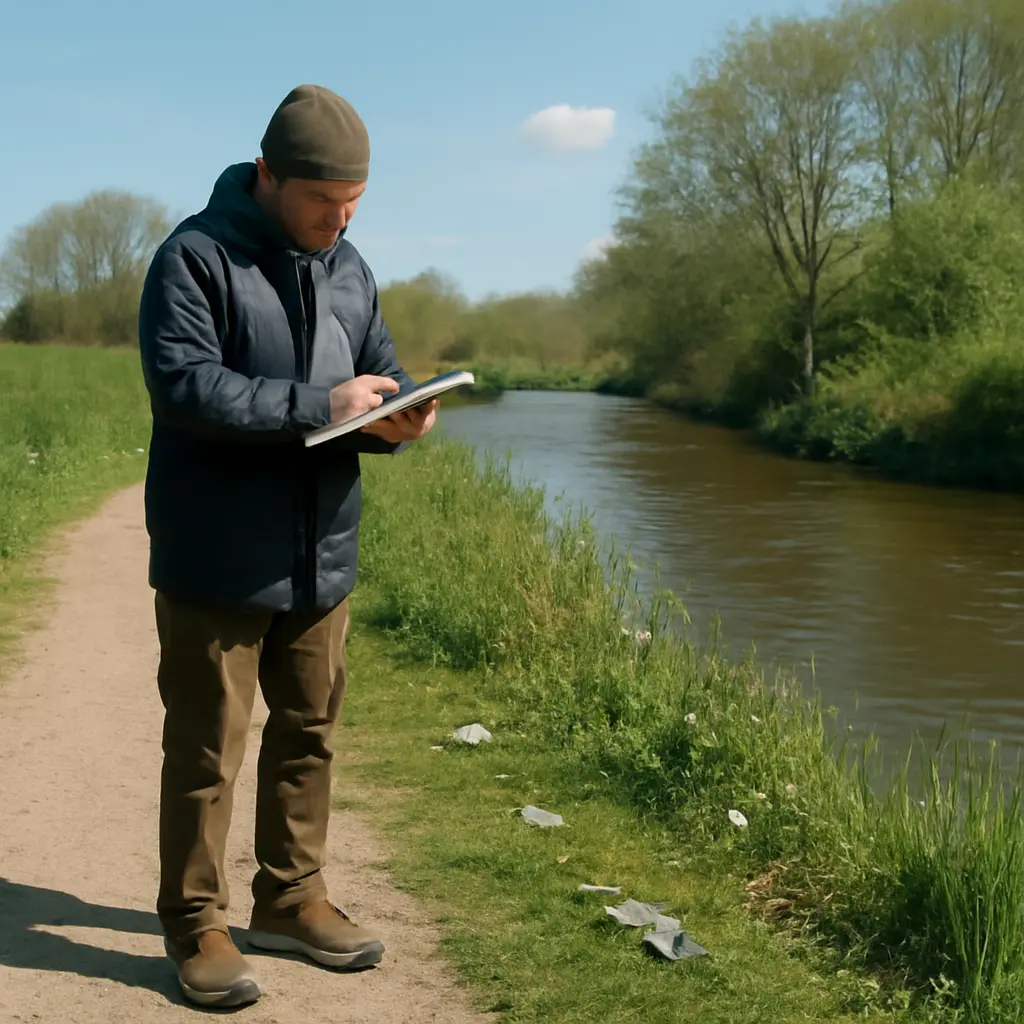
A conservation campaign is an organized effort to protect nature by helping people understand an issue and take practical action. If you’re new to conservation campaigns, start small: choose one local concern, learn what the evidence says, set a clear goal, and invite others to take a specific action. The need is significant: the UN’s Intergovernmental Science-Policy Platform on Biodiversity and Ecosystem Services (IPBES) estimates that around one million animal and plant species face extinction, many within decades, unless threats are reduced. The steps below explain how to choose a focus, plan a credible campaign, reach your community, and measure results.
Choosing a conservation campaign focus and goal
A campaign focus is the particular environmental problem you intend to address; a campaign goal is the measurable change you want to achieve. Conservation campaigns can address habitat protection, wildlife, water quality, pollution, climate resilience, or sustainable resource use. The International Union for Conservation of Nature (IUCN) describes conservation through the protection, restoration, and sustainable management of nature. For a beginner, that broad purpose becomes manageable when narrowed to one place, one issue, and one achievable outcome.
Begin with observation and reliable information. Check local government reports, conservation organizations, university research, or community science programs to learn what is happening and who is already working on it. A focused goal might be “organize a neighborhood cleanup and document the waste collected” rather than “stop pollution.” A specific target makes it easier to plan, recruit supporters, and evaluate progress.
Start with a local issue you can explain
A local focus gives people a visible reason to get involved. It could be invasive plants in a park, litter near a stream, declining native pollinators, or a proposal affecting a nearby habitat. Describe the issue in plain language, explain why it matters, and distinguish confirmed facts from questions that still need investigation. Local knowledge is useful, but verify claims with credible sources before sharing them.
Set a specific, achievable target
A useful campaign target states what will change, where, and by when. For example, a group might aim to recruit 20 volunteers for a native-planting day or submit evidence-based comments before a public consultation closes. These are outputs the group can track; longer-term ecological outcomes, such as improved habitat quality, may take more time and require expert monitoring.
Planning a conservation campaign responsibly
Campaign planning connects a goal to the people, activities, permissions, and evidence needed to pursue it. A simple plan helps prevent wasted effort and makes responsibilities clear. The National Audubon Society’s community-science programs, for example, show how volunteers can contribute observations that support research when activities follow consistent methods. Beginners can apply the same principle: make participation straightforward, explain how information will be used, and coordinate with relevant land managers or local organizations.
Identify partners and permissions
Partners may include neighborhood associations, schools, Indigenous or local communities, conservation nonprofits, researchers, and public agencies. Contact people already working on the issue before launching an activity. Ask about site access, safety, permits, suitable timing, and whether the proposed action supports existing plans. For activities involving wildlife, habitat restoration, or public land, expert guidance helps avoid unintended harm.
Choose actions that match the problem
Campaign actions are the specific ways supporters contribute. They may include attending a public meeting, sharing verified information, joining a supervised restoration event, reporting observations through an established project, or contacting decision-makers. Match the action to the cause: a litter cleanup can remove waste, while a policy decision may require public comments or sustained engagement. Avoid promising that one event will solve a complex environmental problem.
Communicating a conservation campaign clearly
Campaign communication turns a conservation concern into an understandable invitation to act. A strong message says what is at stake, why the audience should care, and what they can do next. The Yale Program on Climate Change Communication has documented how people’s understanding and concern about environmental issues vary, underscoring the value of audience-aware communication rather than assuming everyone responds to the same framing.
Use accurate, accessible messages
Keep the central message short and support factual claims with trustworthy evidence. Explain technical terms, name the affected place or species when relevant, and provide a clear next step, such as registering for an event or reading a public proposal. Be transparent about uncertainty and avoid sensational claims; credibility is essential for building lasting support.
Make participation welcoming
A welcoming campaign offers actions suited to different schedules, abilities, and levels of experience. People might volunteer in person, share an announcement, contribute observations, or help with research and logistics. State practical details in advance, including accessibility, transport, equipment, age requirements, and whom to contact. Listening to community members also helps ensure the campaign reflects local priorities rather than imposing outside assumptions.
Measuring conservation campaign progress
Evaluation is the process of checking whether campaign activities happened and whether they contributed to the intended change. Track a few indicators from the start, such as volunteer attendance, materials distributed, observations submitted, meeting participation, or policy milestones. Where possible, record ecological measures using established methods and qualified guidance. The U.S. Environmental Protection Agency’s monitoring resources emphasize consistent data collection, which makes comparisons over time more meaningful.
A simple chart can show planned versus completed activities, or changes in a measured indicator across dates. Keep records of methods and limitations: the number of people at an event, for example, demonstrates participation but does not by itself prove a habitat has improved. Share results honestly, thank contributors, and use lessons learned to adjust the next round of work.
A simple first campaign in practice
Imagine residents concerned about litter along a local creek. They first consult the municipality and a watershed group, then agree on a supervised cleanup with permission to access the site. Volunteers record the types and quantities of waste using a consistent method, while organizers share a short explanation of how litter can affect waterways and wildlife. Afterward, the group reports its findings to local officials and decides whether a follow-up cleanup, public information effort, or policy request is the most useful next step. This example pairs a manageable action with evidence and local collaboration rather than treating a single event as a complete solution.
Conclusion: take one practical conservation step
A successful beginner conservation campaign starts with a well-defined focus, a realistic goal, responsible planning, clear communication, and simple evaluation. The scale of biodiversity loss makes conservation relevant, but meaningful work does not require starting with a large organization or a sweeping promise. Choose one local issue, learn from credible sources and existing partners, invite people to take a specific action, and report what happened. A careful first step can build the skills and relationships needed for longer-term change.
Sources: IPBES, Global Assessment Report on Biodiversity and Ecosystem Services, https://ipbes.net/global-assessment; International Union for Conservation of Nature, What is Nature Conservation?, https://iucn.org/our-work/topic/nature-conservation; National Audubon Society, Community Science, https://www.audubon.org/community-science; Yale Program on Climate Change Communication, Global Warming’s Six Americas, https://climatecommunication.yale.edu/about/projects/global-warmings-six-americas/; U.S. Environmental Protection Agency, Volunteer Monitoring, https://www.epa.gov/volunteer-monitoring